What is Orange Peel Skin and How to Fix It: A Comprehensive Guide
Ever gazed in the mirror and noticed your skin resembling the bumpy dimples of an orange peel? You're not alone. This common skin texture, often called orange peel skin, affects countless individuals and can be a source of frustration. But what exactly causes this distinctive appearance, and more importantly, how can you effectively address it? Let's dive deep into the science behind orange peel skin and explore proven strategies for achieving a smoother, more radiant complexion.
Understanding the Orange Peel Effect
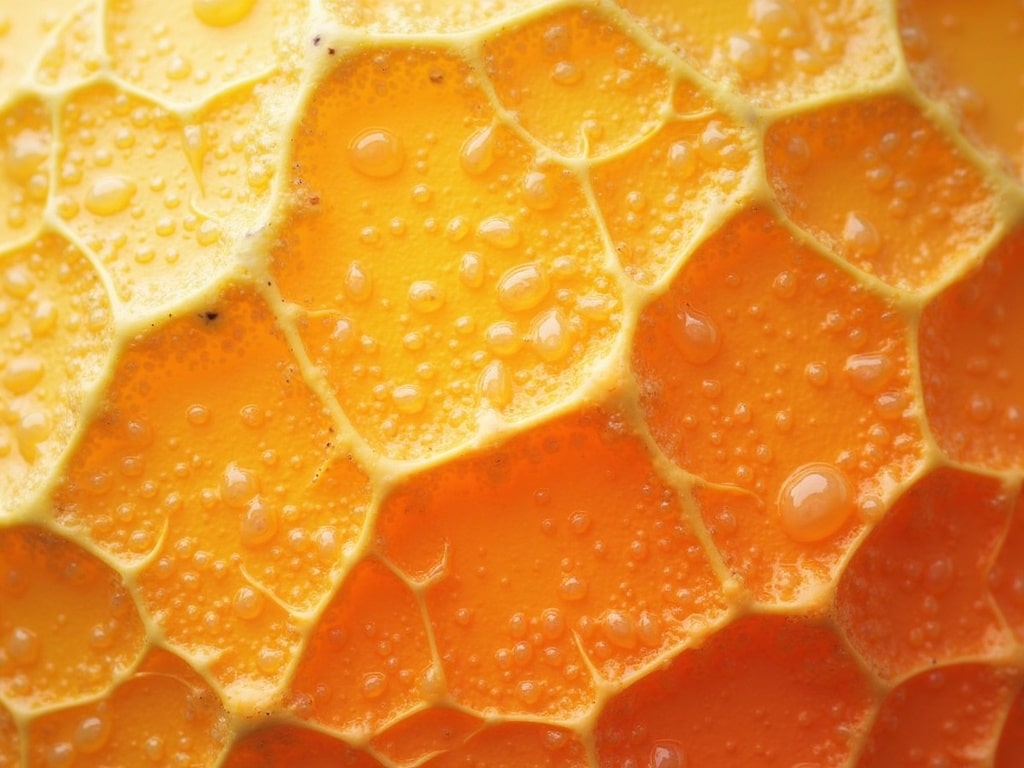
“Orange peel skin,” known medically as peau d'orange (French for skin of an orange), describes skin that has enlarged pores and a rough, pitted surface, similar to the texture of—you guessed it—an orange peel. While it can appear anywhere on the body, it's most commonly observed on the face, particularly around the nose, cheeks, and forehead. Understanding the underlying causes is key to choosing the right approach to improvement.
The Culprits Behind the Texture
Several factors contribute to the development of orange peel skin. These include:
- Enlarged Pores: Pores are tiny openings in the skin that allow for the release of oil and sweat. When these pores become enlarged, they become more visible, contributing to the overall rough texture.
- Loss of Elasticity: As we age, our skin loses collagen and elastin, the proteins responsible for its firmness and elasticity. This loss causes the skin to sag and pores to appear more prominent.
- Sun Damage: Prolonged exposure to the sun's harmful UV rays damages collagen and elastin fibers, exacerbating the effects of aging and contributing to enlarged pores and uneven texture.
- Excess Oil Production: Overactive sebaceous glands can lead to clogged pores and a buildup of oil, making pores appear larger and more noticeable.
- Genetics: Like many skin concerns, genetics can play a role in predisposing individuals to enlarged pores and orange peel skin.
- Skin Conditions: In rare cases, peau d'orange can be a symptom of a more serious underlying medical condition, particularly inflammatory breast cancer. If the skin changes are accompanied by redness, swelling, or pain, seeking medical attention is crucial.
Assessing Your Skin: Is it Really Orange Peel?
Before embarking on a treatment plan, it's essential to accurately assess your skin. Differentiate true orange peel skin from other texture irregularities like these:
- Acne Scarring: This usually presents as deeper, more defined pits and indentations compared to the more subtle texture of orange peel skin.
- Keratosis Pilaris: Often found on the upper arms and thighs, this condition causes small, rough bumps due to a buildup of keratin.
- General Dryness: Severely dry skin can appear flaky and rough, but it lacks the characteristic pitted appearance of orange peel skin.
Effective Treatment Strategies for Orange Peel Skin
Fortunately, various treatment options can help minimize the appearance of orange peel skin and restore a smoother complexion. The best approach will depend on the severity of the condition and your individual skin type.
Topical Treatments: Your First Line of Defense
These over-the-counter and prescription creams can make a significant difference:
- Retinoids: These vitamin A derivatives are powerful exfoliants that increase cell turnover, unclog pores, and stimulate collagen production. Start with a low concentration and gradually increase as tolerated to minimize irritation. Examples include retinol (over-the-counter) and tretinoin (prescription).
- Alpha Hydroxy Acids (AHAs) and Beta Hydroxy Acids (BHAs): AHAs (like glycolic acid and lactic acid) exfoliate the surface of the skin, while BHAs (like salicylic acid) penetrate deeper to unclog pores. Both can improve skin texture and reduce the appearance of enlarged pores.
- Vitamin C Serum: This potent antioxidant protects the skin from free radical damage, stimulates collagen production, and brightens the complexion.
- Niacinamide: A form of vitamin B3, niacinamide helps to reduce inflammation, minimize pore size, and improve skin tone.
Professional Procedures: Taking it to the Next Level
When topical treatments aren't enough, consider these professional procedures:
- Microdermabrasion: This non-invasive procedure uses a stream of tiny crystals to exfoliate the outermost layer of skin, revealing smoother, more radiant skin underneath.
- Chemical Peels: Chemical peels use stronger acids than over-the-counter products to exfoliate the skin more deeply. They can effectively reduce pore size, even out skin tone, and improve overall texture.
- Microneedling: This procedure involves using tiny needles to create micro-injuries in the skin, which stimulates collagen production and improves skin texture.
- Laser Resurfacing: Laser resurfacing uses focused beams of light to remove damaged skin cells and stimulate collagen production. It's a more aggressive treatment option that can deliver significant results.

Lifestyle Adjustments: Supporting Your Skin from Within
In addition to topical treatments and professional procedures, certain lifestyle adjustments can help improve the appearance of orange peel skin:
- Sun Protection: Daily use of a broad-spectrum sunscreen with an SPF of 30 or higher is crucial for protecting your skin from further damage.
- Hydration: Drinking plenty of water helps keep your skin hydrated and plump, minimizing the appearance of pores.
- Healthy Diet: A diet rich in fruits, vegetables, and healthy fats provides the nutrients your skin needs to stay healthy and radiant.
- Avoid Smoking: Smoking damages collagen and elastin, accelerating the aging process and contributing to enlarged pores.
- Gentle Skincare: Avoid harsh scrubs or cleansers that can irritate the skin and worsen the appearance of orange peel skin. Opt for gentle, non-comedogenic products.
A Sample Skincare Routine for Orange Peel Skin
Here's a sample skincare routine incorporating some of the recommended ingredients. Remember to patch-test new products and consult with a dermatologist for personalized advice.
Morning:
- Gentle Cleanser
- Vitamin C Serum
- Lightweight Moisturizer
- Broad-Spectrum Sunscreen (SPF 30 or higher)
Evening:
- Gentle Cleanser
- Retinoid (start with a low concentration 1-2 times per week, gradually increasing as tolerated) OR AHA/BHA serum (alternate nights with retinoid)
- Niacinamide Serum
- Hydrating Moisturizer
When to Seek Professional Help
While many cases of orange peel skin can be managed with over-the-counter products and lifestyle adjustments, it's important to consult with a dermatologist if:
- The condition is severe or worsening.
- You're experiencing redness, swelling, or pain.
- You're concerned about the possibility of an underlying medical condition.
- Over-the-counter treatments are not providing satisfactory results.
A dermatologist can accurately diagnose your condition, recommend the most appropriate treatment plan, and monitor your progress.
The Long-Term View: Prevention and Maintenance
While you can significantly improve the appearance of orange peel skin, maintaining a healthy skin barrier and diligent skincare regimen are essential for long-term success. Continued sun protection, consistent use of effective topical treatments, and a healthy lifestyle will help prevent the recurrence of this frustrating skin texture.
Long-Term Strategies
- Consistent Skincare: Continue using retinoids, AHAs/BHAs, and other beneficial ingredients as directed by your dermatologist.
- Sun Protection: Make sunscreen a non-negotiable part of your daily routine, year-round.
- Healthy Habits: Maintain a balanced diet, stay hydrated, and avoid smoking to support overall skin health.
The Bottom Line: Regaining a Smooth Complexion
Dealing with orange peel skin can be challenging, but with the right knowledge and proactive approach, you can significantly improve its appearance and boost your confidence. By understanding the causes, implementing a tailored skincare routine, and seeking professional help when needed, you can achieve a smoother, more radiant complexion and say goodbye to the bumpy texture of orange peel skin. Remember to be patient, consistent, and kind to your skin, and you'll be well on your way to achieving your desired results. Finding the right products can be tricky, which is why it's always important to do your research.
Consider incorporating these tips into your personalized skincare routine to enjoy your best skin.