Unlocking Radiant Skin: How LED Therapy Boosts Collagen Production
In a world obsessed with youthful, glowing skin, the quest for the ultimate anti-aging secret is never-ending. From expensive creams to invasive procedures, the options seem limitless. But what if the key to unlocking radiant firmness lies in a non-invasive, scientifically-backed technology that harnesses the power of light? Enter LED therapy, a revolutionary treatment that's taking the skincare world by storm, primarily for its remarkable ability to stimulate collagen production.
Understanding Collagen: The Foundation of Youthful Skin
Before diving into the wonders of LED therapy, it's crucial to understand the star of the show: collagen. Think of collagen as the scaffolding that supports your skin, providing it with structure, elasticity, and firmness. It's the most abundant protein in your body, but unfortunately, its production declines as we age. This decline, coupled with environmental factors like sun exposure and pollution, leads to wrinkles, sagging skin, and a loss of that youthful bounce.
The Role of Fibroblasts
Collagen isn't produced out of thin air. Specialized cells called fibroblasts are responsible for synthesizing this vital protein. As we age, fibroblasts become less active, resulting in a decrease in collagen production. This is where LED therapy steps in to revitalize those sluggish fibroblasts and kickstart collagen synthesis.
LED Therapy: Harnessing the Power of Light
LED (Light Emitting Diode) therapy involves exposing the skin to specific wavelengths of light. Unlike lasers, LEDs are non-ablative, meaning they don't damage the skin's surface. Instead, they penetrate the skin at different depths, triggering various cellular processes. Different wavelengths of light offer unique benefits, but when it comes to collagen production, red and near-infrared light are the MVPs.
How Red and Near-Infrared Light Stimulate Collagen
Red light, with wavelengths typically ranging from 620 to 700 nm, penetrates the skin to a depth of about 1-2 mm. Near-infrared light, with wavelengths from 700 to 1000 nm, penetrates even deeper, reaching the subcutaneous tissue. Here's how they work their magic:
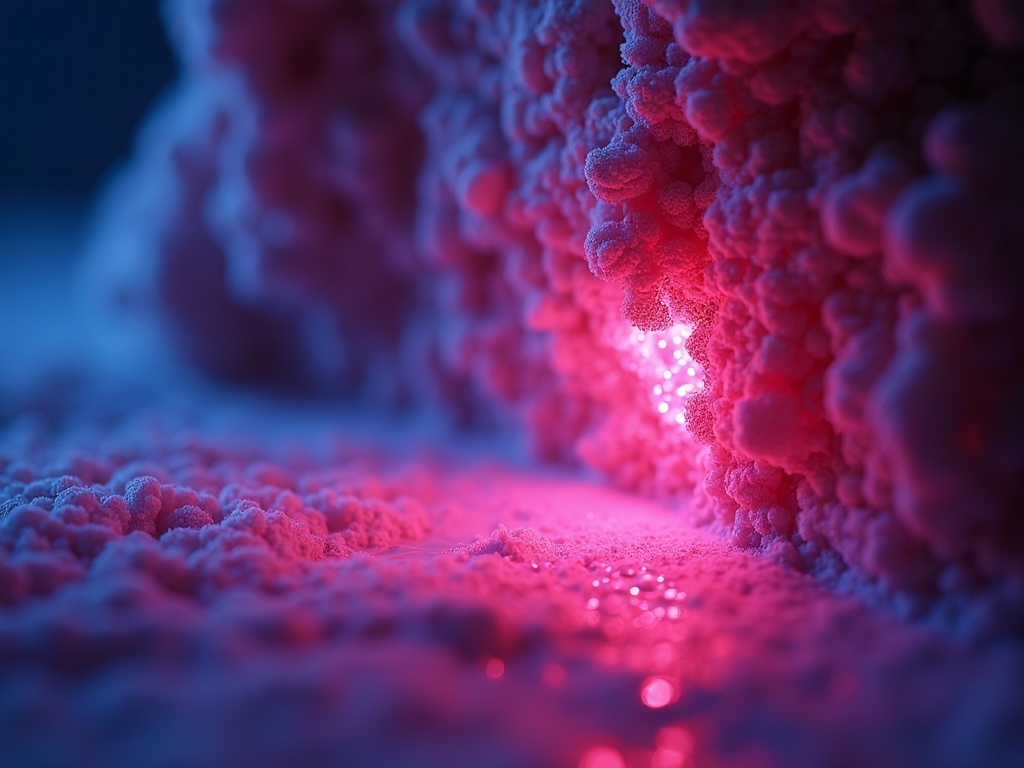
- Increased Cellular Energy: Red and near-infrared light stimulate mitochondria, the powerhouses of our cells, to produce more ATP (adenosine triphosphate), the energy currency of the cell. This boost in energy fuels fibroblast activity, encouraging them to produce more collagen and elastin.
- Enhanced Blood Circulation: LED therapy promotes blood flow to the skin, delivering vital oxygen and nutrients to fibroblasts. This improved circulation creates an optimal environment for collagen synthesis.
- Reduced Inflammation: Inflammation can hinder collagen production. Red and near-infrared light have anti-inflammatory properties, helping to calm the skin and create a more conducive environment for collagen synthesis.
The Science Behind LED Therapy and Collagen Production
Numerous studies have demonstrated the effectiveness of LED therapy in boosting collagen production. Research has shown that exposure to red and near-infrared light can:
- Increase fibroblast proliferation (the growth and division of fibroblasts).
- Stimulate the synthesis of collagen and elastin.
- Improve skin texture and reduce the appearance of wrinkles.
- Promote wound healing and reduce scarring.
One study published in the Journal of Cosmetic and Laser Therapy found that subjects treated with red light therapy experienced a significant increase in collagen density after just a few weeks. Another study in the Photomedicine and Laser Surgery journal showed that near-infrared light therapy improved skin elasticity and reduced wrinkle depth.
Benefits of LED Therapy for Collagen Production
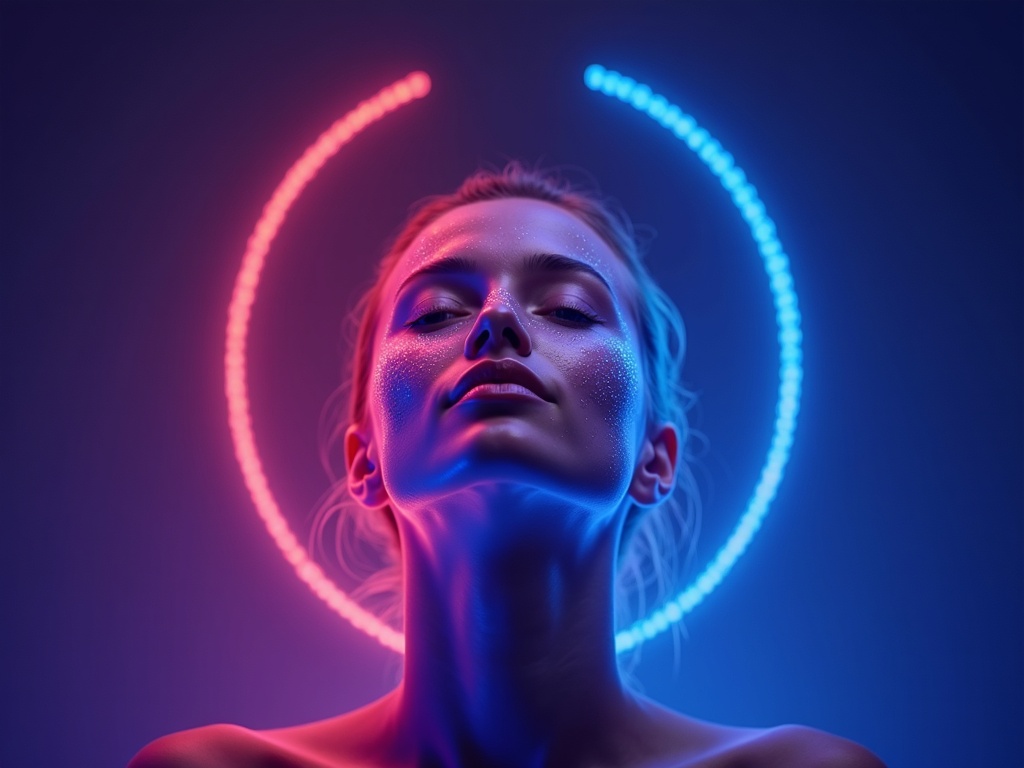
The benefits of incorporating LED therapy into your skincare routine extend far beyond just collagen production. Here's a closer look at what you can expect:
Reduced Wrinkles and Fine Lines
By stimulating collagen production, LED therapy helps to plump up the skin, reducing the appearance of wrinkles and fine lines. Over time, you'll notice a smoother, more youthful complexion.
Improved Skin Elasticity and Firmness
Collagen and elastin are essential for maintaining skin elasticity and firmness. LED therapy helps to restore these vital proteins, resulting in skin that feels firmer, tighter, and more resilient.
Enhanced Skin Tone and Texture
LED therapy can help to even out skin tone and improve texture by reducing inflammation, promoting blood circulation, and stimulating cellular turnover. This results in a brighter, more radiant complexion.
Minimized Pore Size
While not a direct effect of collagen production, the overall improvement in skin health and elasticity can lead to a reduction in the appearance of enlarged pores.
Faster Wound Healing
The collagen-boosting and anti-inflammatory properties of LED therapy can accelerate wound healing and reduce scarring. internal_link] This makes it a valuable treatment for post-operative care and acne scars.
Incorporating LED Therapy into Your Skincare Routine
There are several ways to incorporate LED therapy into your skincare routine:
Professional LED Treatments
Many dermatologists and estheticians offer professional LED therapy treatments. These treatments typically involve the use of high-powered LED devices and are administered in a clinical setting. A series of treatments is usually recommended for optimal results.
At-Home LED Devices
At-home LED devices, such as masks, wands, and panels, have become increasingly popular. These devices offer a convenient and affordable way to enjoy the benefits of LED therapy in the comfort of your own home. However, it's crucial to choose a reputable brand and follow the manufacturer's instructions carefully.
Tips for Maximizing Results
- Consistency is key: For best results, use your LED device consistently, following the recommended treatment schedule.
- Prepare your skin: Cleanse your skin thoroughly before each treatment to remove any makeup or impurities.
- Protect your eyes: Always wear protective eyewear when using an LED device to prevent eye damage.
- Combine with other skincare products: Enhance the effects of LED therapy by using it in conjunction with other anti-aging skincare products, such as serums containing vitamin C, hyaluronic acid, and peptides.
- Be patient: It takes time to see noticeable results from LED therapy. Be patient and consistent with your treatments, and you'll eventually reap the rewards.
Is LED Therapy Right for You?
LED therapy is generally considered safe for all skin types. However, it's always best to consult with a dermatologist or healthcare professional before starting any new skincare treatment, especially if you have any underlying skin conditions or are taking medications that may make you more sensitive to light. People with epilepsy or photosensitivity should avoid LED therapy.
The Future of LED Therapy
As research continues to unfold, the potential of LED therapy seems limitless. Scientists are exploring its use in treating a wide range of conditions, from acne and psoriasis to muscle pain and even depression. With its proven track record of boosting collagen production and improving overall skin health, LED therapy is poised to become an even more integral part of our quest for radiant, youthful skin.
Conclusion: Embrace the Light for Radiant Skin
In the pursuit of ageless beauty, LED therapy emerges as a shining beacon of hope. Its ability to stimulate collagen production, reduce wrinkles, and improve skin tone and texture makes it a powerful tool in the fight against aging. Whether you opt for professional treatments or invest in an at-home device, embracing the power of light can help you unlock radiant, firm skin and rediscover your youthful glow. So, step into the light and let the rejuvenation begin!