The Ultimate Guide to Finding the Best Vitamin C Serum for Sensitive Skin
Imagine a world where glowing, radiant skin isn't just a dream, but a reality – even if you have sensitive skin. Vitamin C serums are hailed as a holy grail product for their brightening, antioxidant, and collagen-boosting properties. But for those with sensitive skin, the quest to find a gentle yet effective formula can feel like navigating a minefield. Fear not! This comprehensive guide delves into the nuances of choosing the best vitamin C serum for sensitive skin, ensuring you achieve that coveted glow without the irritation.
Understanding Vitamin C and Its Benefits
Vitamin C, also known as L-ascorbic acid, is a potent antioxidant that plays a crucial role in maintaining healthy skin. Here’s a breakdown of its key benefits:
- Brightening: Vitamin C inhibits melanin production, helping to fade dark spots, hyperpigmentation, and even out skin tone.
- Antioxidant Protection: It shields the skin from free radical damage caused by UV rays, pollution, and other environmental aggressors.
- Collagen Boost: Vitamin C is essential for collagen synthesis, promoting skin elasticity and reducing the appearance of fine lines and wrinkles.
- Wound Healing: It aids in the skin's natural healing process, minimizing scarring and promoting faster recovery.
Why Sensitive Skin Needs Special Consideration
Sensitive skin is characterized by its heightened reactivity to external stimuli. This can manifest as redness, itching, burning, dryness, or even breakouts. Common culprits include fragrances, alcohol, harsh chemicals, and certain preservatives. When it comes to vitamin C serums, the high concentration of ascorbic acid can be irritating for sensitive skin types. Therefore, it's crucial to choose formulations specifically designed to minimize irritation and maximize tolerance. Using the wrong product could do more harm than good, leading to inflammation and discomfort.
Key Ingredients to Look for in a Vitamin C Serum for Sensitive Skin
Navigating the ingredient list is paramount when selecting a vitamin C serum for sensitive skin. Here's what to prioritize:
1. Vitamin C Derivatives
L-ascorbic acid is the purest and most potent form of vitamin C, but it's also the most likely to cause irritation. Consider gentler alternatives like:
- Sodium Ascorbyl Phosphate (SAP): A stable and well-tolerated form of vitamin C with antioxidant and acne-fighting properties.
- Magnesium Ascorbyl Phosphate (MAP): Another stable derivative known for its hydrating and skin-brightening benefits.
- Ascorbyl Glucoside: A water-soluble form of vitamin C that's converted to L-ascorbic acid in the skin, offering a slow-release effect and reducing the risk of irritation.
2. Soothing and Hydrating Ingredients
Counteract potential irritation by looking for serums that incorporate calming and moisturizing ingredients:
- Hyaluronic Acid: A humectant that attracts and retains moisture, plumping the skin and reducing dryness.
- Aloe Vera: Known for its anti-inflammatory and soothing properties, aloe vera can help calm redness and irritation.
- Green Tea Extract: A powerful antioxidant with anti-inflammatory benefits, green tea extract can help protect the skin from damage and reduce sensitivity.
- Vitamin E: Works synergistically with vitamin C to provide enhanced antioxidant protection and moisturization.
- Centella Asiatica (Cica): Renowned for its wound-healing and skin-soothing properties, Cica helps to calm inflammation and promote skin repair.
3. Ingredients to Avoid
Steer clear of serums containing these potentially irritating ingredients:
- Fragrance: A common trigger for sensitive skin, fragrance can cause allergic reactions and irritation.
- Alcohol: Can dry out the skin and disrupt its natural barrier, leading to increased sensitivity.
- Parabens: A group of preservatives that can irritate some individuals.
- Essential Oils: While some essential oils have beneficial properties, they can also be potent irritants for sensitive skin.
- High Concentrations of L-Ascorbic Acid: If you're new to vitamin C serums or have particularly sensitive skin, start with a lower concentration (5-10%) and gradually increase as tolerated.
How to Choose the Right Vitamin C Serum for Your Skin
With countless options available, selecting the perfect vitamin C serum can feel overwhelming. Here’s a step-by-step guide to help you make an informed decision:
- Identify Your Skin Concerns: Are you primarily concerned with brightening, reducing redness, or boosting collagen? Knowing your goals will help you narrow down your options.
- Read the Ingredient List Carefully: Prioritize gentle vitamin C derivatives and soothing ingredients, while avoiding potential irritants.
- Consider the Concentration: Start with a lower concentration (5-10%) if you have sensitive skin and gradually increase as tolerated.
- Look for Airless Packaging: Vitamin C is highly susceptible to oxidation, so choose serums packaged in opaque, airless containers to maintain their potency.
- Read Reviews: See what other users with sensitive skin have to say about the product.
- Perform a Patch Test: Before applying the serum to your entire face, test it on a small area of skin (e.g., behind your ear or on your inner arm) to check for any adverse reactions.
Recommended Vitamin C Serums for Sensitive Skin
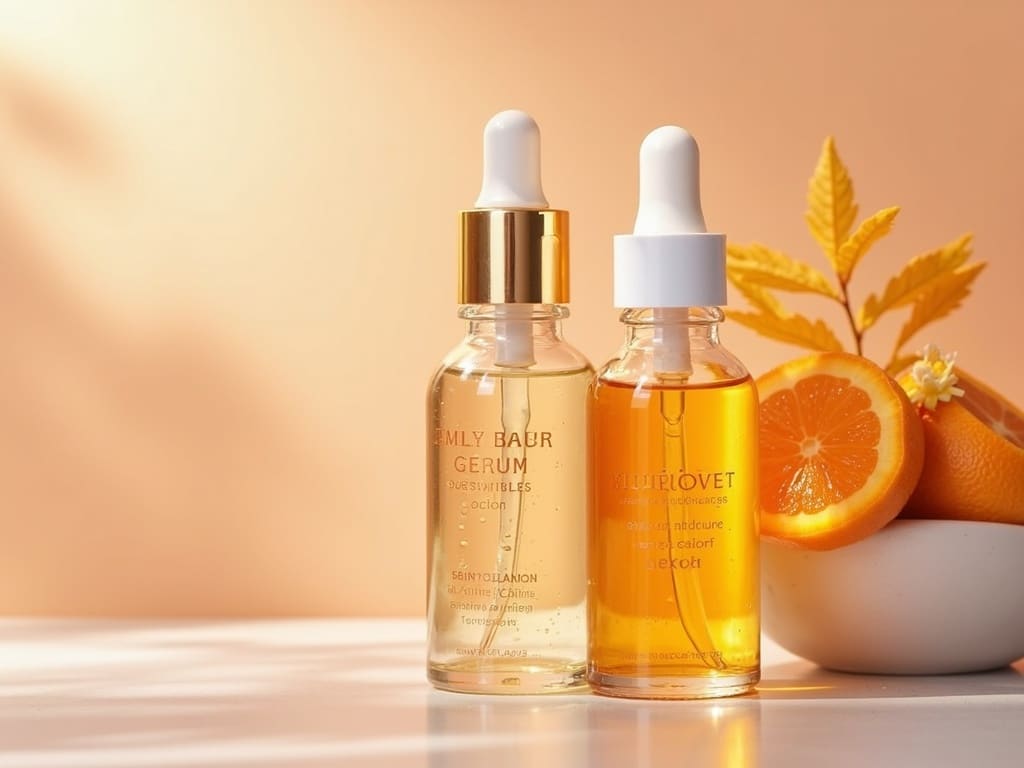
Based on expert recommendations and user reviews, here are a few vitamin C serums that are well-suited for sensitive skin:
- Serum A: Formulated with Sodium Ascorbyl Phosphate (SAP), hyaluronic acid, and green tea extract. Free of fragrance, alcohol, and parabens.
- Serum B: Contains Magnesium Ascorbyl Phosphate (MAP), aloe vera, and vitamin E. Known for its hydrating and soothing properties.
- Serum C: Features Ascorbyl Glucoside, Centella Asiatica (Cica), and ceramides. Ideal for calming irritated skin and promoting a healthy skin barrier.
How to Incorporate Vitamin C Serum into Your Skincare Routine
To reap the benefits of vitamin C serum without irritating your skin, follow these guidelines:
- Start Slowly: Begin by using the serum 2-3 times per week and gradually increase frequency as tolerated.
- Apply After Cleansing and Toning: Apply the serum to clean, dry skin after cleansing and toning.
- Use a Pea-Sized Amount: A little goes a long way. Use a pea-sized amount for your entire face.
- Follow with Moisturizer: Seal in the serum and provide additional hydration with a gentle, fragrance-free moisturizer.
- Apply Sunscreen Daily: Vitamin C can make your skin more sensitive to the sun, so it's crucial to apply a broad-spectrum sunscreen with an SPF of 30 or higher every morning.
- Avoid Mixing with Certain Ingredients: Avoid using vitamin C serum at the same time as retinol or AHAs/BHAs, as these ingredients can increase irritation. If you want to use them, alternate days or use them at different times of the day.
Common Mistakes to Avoid
Even with the right product, improper usage can lead to irritation. Here are common mistakes to avoid:
- Using Too Much Serum: Applying too much serum can overwhelm the skin and increase the risk of irritation.
- Applying to Damp Skin: Applying to damp skin can increase penetration and potentially cause irritation.
- Not Patch Testing: Always perform a patch test before applying the serum to your entire face.
- Ignoring Irritation: If you experience any redness, itching, or burning, discontinue use immediately and consult with a dermatologist.
- Storing Serum Incorrectly: Store your vitamin C serum in a cool, dark place to prevent oxidation.
The Importance of a Holistic Approach to Sensitive Skin
While finding the right vitamin C serum is crucial, it's just one piece of the puzzle. A holistic approach to sensitive skin involves addressing all aspects of your skincare routine and lifestyle:
- Gentle Cleansing: Use a mild, fragrance-free cleanser to avoid stripping your skin of its natural oils.
- Hydration: Drink plenty of water and use a hydrating moisturizer to keep your skin plump and supple.
- Sun Protection: Protect your skin from the sun with a broad-spectrum sunscreen.
- Diet: Consume a balanced diet rich in antioxidants and anti-inflammatory foods.
- Stress Management: Practice stress-reducing techniques like yoga, meditation, or deep breathing exercises, as stress can exacerbate sensitive skin.
- Identify and Avoid Triggers: Pay attention to products, foods, or environmental factors that trigger your sensitive skin and avoid them whenever possible.
When to Consult a Dermatologist
If you're struggling to find a vitamin C serum that works for your sensitive skin or if you're experiencing persistent irritation, consult with a dermatologist. They can help you identify the underlying causes of your sensitivity and recommend a personalized skincare regimen.
Conclusion
Finding the best vitamin C serum for sensitive skin requires careful consideration and a bit of experimentation. By understanding the key ingredients to look for and avoid, following a proper application technique, and adopting a holistic approach to skincare, you can achieve a radiant, healthy complexion without compromising your skin's comfort. Embrace the journey, listen to your skin, and remember that patience and consistency are key. Your dream glow is within reach!