
How to Reduce Sebum Production on Your Face: A Comprehensive Guide
Have you ever felt like your face is an oil slick by midday? That greasy shine, the clogged pores, the constant battle against blemishes – it's all tied to sebum, the skin's natural oil. While sebum is essential for healthy, hydrated skin, an overproduction can lead to a host of frustrating issues. But don't despair! This guide delves into the science behind sebum, explores the causes of overproduction, and provides practical strategies to help you achieve a balanced, clear complexion.
Understanding Sebum: The Good, The Bad, and the Oily
Sebum is an oily substance produced by the sebaceous glands, which are found all over the body but are particularly concentrated on the face, scalp, and chest. It's composed of triglycerides, waxes, squalene, and fatty acids.
The Good: Why Sebum is Important
**Hydration:Sebum helps to keep the skin moisturized and supple, preventing dryness and cracking.
**Protection:It forms a protective barrier against environmental aggressors like pollution and UV radiation.
**Antimicrobial Properties:Certain components of sebum have antimicrobial properties that help to fight off bacteria and fungi.
**Barrier Function:Sebum contributes to the skin's barrier function, preventing water loss and keeping irritants out.
The Bad: When Sebum Overproduction Becomes a Problem
Too much sebum can lead to:
**Oily Skin:An obvious consequence, resulting in a shiny or greasy appearance.
**Clogged Pores:Excess sebum can mix with dead skin cells and debris, clogging pores and leading to blackheads, whiteheads, and pimples.
**Acne:Clogged pores provide a breeding ground for bacteria, which can trigger inflammation and acne breakouts.
**Enlarged Pores:Chronically clogged pores can stretch and enlarge over time, making them more visible.
**Seborrheic Dermatitis:In some cases, excess sebum can contribute to seborrheic dermatitis, a common skin condition that causes scaly patches and redness, particularly on the scalp and face.
What Causes Overproduction of Sebum?
Several factors can contribute to excessive sebum production. Understanding these causes is the first step towards finding effective solutions.
Hormonal Imbalances
Hormones, particularly androgens like testosterone, play a significant role in sebum production. Fluctuations in hormone levels, such as those that occur during puberty, menstruation, pregnancy, or menopause, can trigger an increase in sebum production. Polycystic ovary syndrome (PCOS) is another condition often associated with hormonal imbalances and increased sebum.
Genetics
Unfortunately, some people are simply genetically predisposed to producing more sebum than others. If your parents or siblings have oily skin, you are more likely to have it as well.
Age
Sebum production typically peaks during adolescence and gradually declines with age. However, some individuals may continue to experience oily skin well into adulthood.
Diet
While the link between diet and sebum production isn't fully understood, some studies suggest that certain foods, such as those high in processed sugars and unhealthy fats, may contribute to increased sebum production and inflammation.
Stress
Stress can trigger the release of hormones like cortisol, which can stimulate sebum production. Managing stress through relaxation techniques, exercise, and adequate sleep can help to regulate sebum production.
Climate
Hot, humid weather can increase sebum production, as the skin produces more oil to compensate for increased sweating and moisture loss.
Skincare Products
Using harsh skincare products that strip the skin of its natural oils can paradoxically lead to increased sebum production. The skin compensates for the dryness by producing even more oil.
Strategies to Reduce Sebum Production
Now that you understand the causes of sebum overproduction, let's explore effective strategies to manage it.
1. Gentle Cleansing
**Choose the Right Cleanser:Opt for a gentle, pH-balanced cleanser specifically formulated for oily or acne-prone skin. Avoid harsh soaps or detergents that can strip the skin of its natural oils. Look for ingredients like salicylic acid or benzoyl peroxide, which can help to unclog pores and reduce sebum production.
**Frequency:Cleanse your face twice a day, morning and night. Over-washing can strip the skin and trigger even more oil production.
**Technique:Use lukewarm water and gently massage the cleanser onto your face in circular motions. Rinse thoroughly and pat dry with a soft towel. Avoid scrubbing, as this can irritate the skin.
2. Exfoliation
Exfoliating helps to remove dead skin cells that can clog pores and contribute to sebum buildup.
**Chemical Exfoliants:Consider using chemical exfoliants like salicylic acid (BHA) or glycolic acid (AHA). BHAs are particularly effective for oily skin because they can penetrate pores and dissolve sebum. AHAs work on the surface of the skin to improve texture and tone. Start with a low concentration and gradually increase as tolerated.
**Physical Exfoliants:While physical exfoliants like scrubs can be effective, they can also be irritating, especially for sensitive skin. If you choose to use a physical exfoliant, opt for a gentle one with fine particles and avoid scrubbing too hard.
**Frequency:Exfoliate 1-3 times per week, depending on your skin's tolerance.
3. Hydration is Key (Even for Oily Skin!)
It may seem counterintuitive, but even oily skin needs hydration. When the skin is dehydrated, it can produce more sebum to compensate.
**Choose a Lightweight Moisturizer:Opt for a light, oil-free, non-comedogenic moisturizer that won't clog pores. Look for ingredients like hyaluronic acid, which can attract and retain moisture without adding oil.
**Hydrating Serums:Consider incorporating a hydrating serum into your routine, such as one containing hyaluronic acid or niacinamide.
4. Topical Treatments
Several topical treatments can help to reduce sebum production and improve the appearance of oily skin.
**Retinoids:Retinoids, such as tretinoin or adapalene, are vitamin A derivatives that can help to unclog pores, reduce inflammation, and regulate sebum production. They are available over-the-counter or by prescription.
**Niacinamide:Niacinamide is a form of vitamin B3 that can help to reduce sebum production, minimize pore size, and improve skin tone.
**Azelaic Acid:Azelaic acid is a naturally occurring acid that can help to reduce inflammation, kill bacteria, and unclog pores. It can also help to lighten hyperpigmentation.
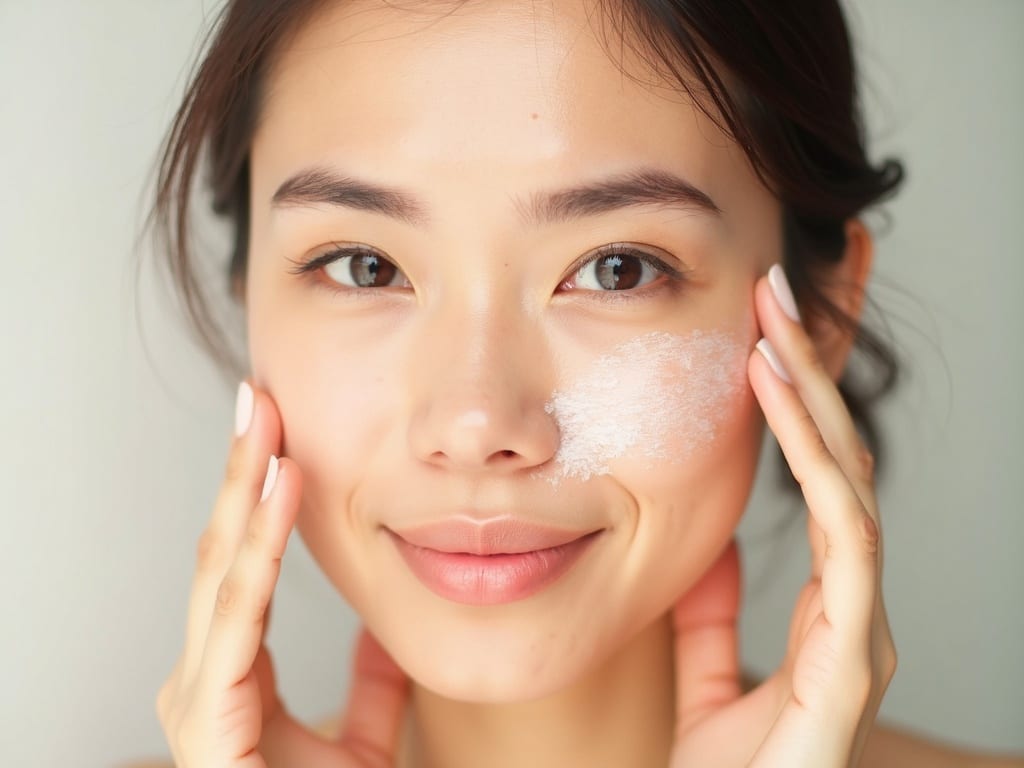
5. Clay Masks
Clay masks can help to absorb excess oil and draw out impurities from the pores.
**Types of Clay:Bentonite clay and kaolin clay are two popular types of clay for oily skin.
**Frequency:Use a clay mask 1-2 times per week.
**Application:Apply a thin layer of the mask to your face and leave it on for 10-15 minutes, or until it dries. Rinse thoroughly with warm water.
6. Blotting Papers
Blotting papers are a quick and easy way to absorb excess oil throughout the day. Keep a pack in your purse or bag and use them as needed to blot away shine.
7. Diet and Lifestyle
While more research is needed, some studies suggest that certain dietary and lifestyle changes may help to reduce sebum production.
**Limit Processed Foods and Sugars:Reduce your intake of processed foods, sugary drinks, and refined carbohydrates.
**Increase Healthy Fats:Incorporate healthy fats into your diet, such as those found in avocados, nuts, seeds, and fatty fish.
**Stay Hydrated:Drink plenty of water throughout the day to keep your skin hydrated.
**Manage Stress:Practice stress-reducing activities like yoga, meditation, or spending time in nature.
**Consider Supplements:Some people find that certain supplements, such as zinc or omega-3 fatty acids, can help to reduce sebum production. However, it's important to talk to your doctor before taking any new supplements.
8. Professional Treatments
If over-the-counter and lifestyle measures aren't enough, consider seeking professional help.
**Chemical Peels:Performed by a dermatologist or aesthetician, chemical peels can exfoliate the skin more deeply and reduce sebum production.
**Microdermabrasion:This procedure uses a diamond-tipped wand to exfoliate the skin and remove dead skin cells.
**Laser Treatments:Certain laser treatments can help to reduce sebum production and improve the appearance of oily skin.
**Prescription Medications:In severe cases, your doctor may prescribe oral medications like isotretinoin (Accutane) to reduce sebum production. However, these medications have significant side effects and are typically reserved for severe acne.
Ingredients to Look For (and Avoid)
Navigating the world of skincare ingredients can be overwhelming. Here's guide to help you choose products that will help regulate sebum production.
Ingredients to Look For:
**Salicylic Acid:Exfoliates inside pores, reducing clogs.
**Niacinamide:Reduces sebum production and minimizes pore size.
**Hyaluronic Acid:Hydrates without adding oil.
**Retinoids:Regulate sebum production and unclog pores.
**Azelaic Acid:Reduces inflammation and kills bacteria.
Ingredients to Avoid:
**Comedogenic Oils:Coconut oil, cocoa butter.
**Harsh Sulfates:Sodium lauryl sulfate (SLS), sodium laureth sulfate (SLES) – can strip the skin.
**Alcohol Denat:Can be drying and irritating.
Consistency is Key
Reducing sebum production is not an overnight process. It requires consistency and patience. Stick to your chosen skincare routine and be patient as it can take several weeks or even months to see noticeable results. If you are concerned about your skin, consult a dermatologist for personalized advice.
In Conclusion
Managing overactive sebaceous glands requires a multi-pronged approach that addresses both internal and external factors. By understanding the causes of sebum overproduction and implementing the strategies outlined in this guide, you can take control of your skin and achieve a clearer, more balanced complexion. Remember to be patient, consistent, and kind to your skin along the way. The journey to balanced skin is unique for everyone, so finding what works best for you may take time, but the results are well worth the effort.